Disclaimer: Quick Jobs. This site provides business content for informational purposes only.
Understanding the tools used by a pest control company can provide insight into how these professionals keep spaces clean and pest-free. Pest control tools are designed to address specific pests and environments efficiently. From traps and sealants to specialized equipment like bait stations and foggers, pest control companies utilize a wide range of tools to effectively manage pest populations and prevent future infestations.
Pest control has evolved, incorporating traditional methods and innovative technologies to enhance effectiveness and safety. Continuous advancements ensure better control with minimal environmental impact.
This article explores the essential tools utilised by pest control experts and how they select and deploy these tools in various environments. Proficient selection of tools is crucial for successful pest management strategies.
1. What are the essential tools used in pest control?
1.1 Sprayers
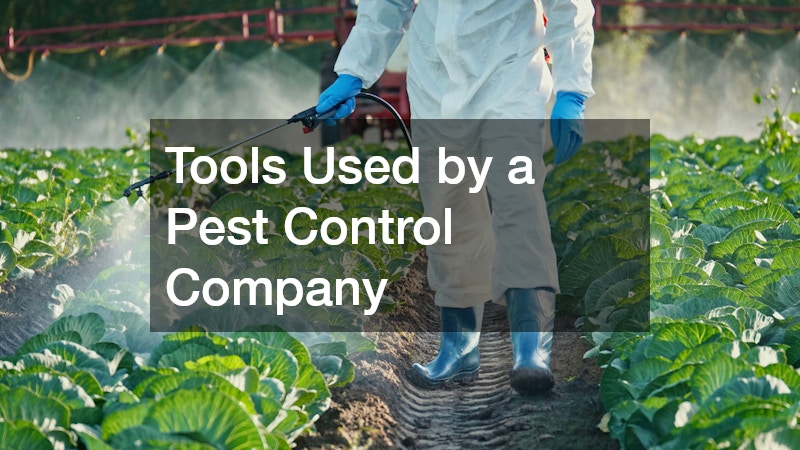
Sprayers apply chemical solutions efficiently over large areas. Manual, backpack, and truck-mounted sprayers are selected based on the infestation scale. They deliver pesticides evenly for indoor and outdoor problems. Adjustable nozzles target specific areas, minimising waste and exposure. Advanced models improve precision, reducing chemical use while maintaining efficacy.
1.2 Foggers
Foggers are deployed for hard-to-reach pests or quick pest knockdown, releasing a mist or fog to penetrate crevices. Effective against flying insects like mosquitoes, foggers must be used responsibly to avoid health risks. Modern foggers often incorporate safety features to protect users and the environment.
1.3 Bait stations
Bait stations target specific pests like rodents and cockroaches with safety measures for non-targets. Baits attract and eliminate pests discreetly. Strategically placed for maximum effectiveness, they use less pesticide with targeted applications. Regular monitoring ensures timely replenishment and enhanced control.
2. How do pest control companies decide which tools to use?
2.1 Pest Identification
Proper pest identification guides tool and strategy selection, preventing chemical misuse. Identification relies on guides, traps, and visual inspections for effective pest behaviour alignment. Accurate identification is paramount for selecting the most appropriate intervention methods.
2.2 Location Assessment
The environment affects tool selection, differing between urban and rural areas. Considerations include pets, children, and wildlife presence, ensuring safe and effective tool deployment. Each setting requires a tailored approach to effectively manage pest challenges.
2.3 Extent of Infestation
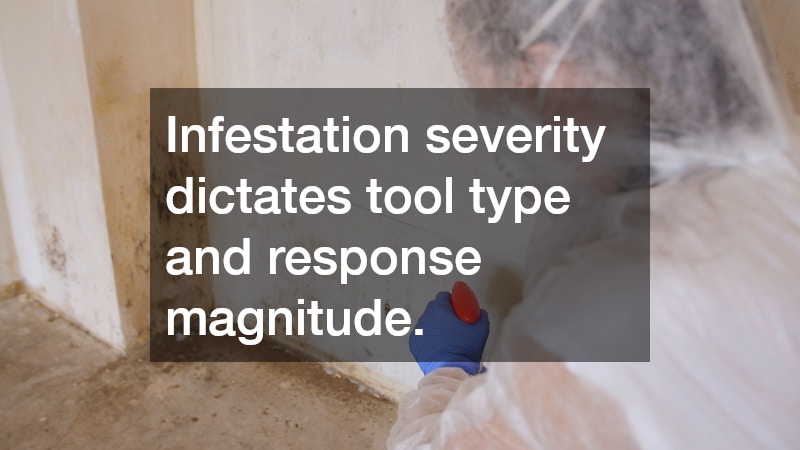
Infestation severity dictates tool type and response magnitude. Minor issues may need traps, while severe ones might require foggers or full sprays. Site surveys inform tool selection and treatment size. Comprehensive evaluations allow for informed decision-making processes.
3. What safety equipment is used by pest control professionals?
3.1 Protective Gear
Technicians wearspecialisedd clothing like coveralls, boots, and gloves to prevent pesticide contact, ensuring safety and health standards. High-quality gear is essential for maintaining worker safety during operations.
3.2 Respirators
Respirators filter air against harmful particles and fumes, essential for technician safety. Different types provide varying degrees of protection. Proper fit and maintenance of respirators are crucial for their effectiveness.
3.3 Gloves
Gloves prevent direct contact with chemicals, minimizing risk of burns or contamination. Made from chemical-resistant materials, they ensure safety. Selecting the right material is key to providing optimal protection.
4. What role does technology play in modern pest control tools?
4.1 Digital Monitoring Systems
Digital systems track pest activity with sensors and cameras, offering real-time data for timely interventions and enhanced control precision. Integration with software enhances data analysis and decision-making.
4.2 Remote Sensing
Remote sensing, using drones and thermal imaging, detects pest activity from afar, identifying nests and breeding spots unobtrusively. This technology allows pest controllers to gain insights without disturbing habitats.
4.3 Software Applications
Software applications streamline data centralisation, aiding operational management and ensuring compliance and quality service delivery. Innovations in software allow tracking performance and optimising procedures.
5. How does eco-friendly pest control differ in terms of tools?
5.1 Organic Sprays
Organic sprays use natural ingredients for safe pest targeting, responding to demand for sustainable pest management. They are often integrated with other eco-friendly solutions for comprehensive management.
5.2 Biodegradable Traps
Biodegradable traps capture pests while minimising environmental impact, using renewable materials for effectiveness and stewardship. Continued advancements in materials bolster their sustainability credentials.
5.3 Eco-conscious Bait Stations
Eco-conscious stations use recyclable or biodegradable materials, reducing soil and water contamination while aligning with eco-friendly practices. Designs ensure that they remain as effective as traditional counterparts.
Pest control evolves with tools and technology, balancing effectiveness, safety, and sustainability for responsible management. Ongoing research and innovation drive the sector’s capability to adapt to emerging challenges.