
Disclaimer: Quick Jobs. This site provides business content for informational purposes only.
In today’s complex health care environment, effective teamwork is essential to delivering high-quality patient care. Health care settings involve a diverse range of professionals, from doctors and nurses to technicians and administrative staff, all of whom must collaborate to ensure patients receive timely and accurate treatment. Teamwork helps reduce errors, improve communication, and create a supportive work environment where each professional’s expertise is utilized efficiently. In settings where precision and patient safety are paramount, such as diagnostic testing, surgery, and chronic disease management, coordinated teamwork directly impacts patient outcomes.
Across different areas of care, collaboration among specialists allows for a more comprehensive approach. For example, an accurate ADHD diagnosis relies not only on a clinician’s evaluation but also on input from psychologists, educators, and support staff who track patient behavior and progress. Similarly, operating complex medical equipment like an upright MRI scanner requires clear communication between radiology technologists and physicians to ensure accurate imaging and patient safety. Even routine procedures benefit from coordinated efforts, such as eye surgery equipment maintenance, which depends on technicians, surgeons, and support staff working together to maintain instruments and prevent complications.
Teamwork extends beyond clinical care into areas such as transcription, therapy management, and patient education. Efficient healthcare transcription services rely on clear communication between transcriptionists, nurses, and doctors to produce accurate patient records. Coordinated efforts in testosterone replacement therapy or audiology care ensure patients receive personalized treatment plans that account for medical history, lab results, and ongoing monitoring. Even in surgical specialties, the collaboration between a vascular surgeon and the surgical team ensures procedures are performed safely and efficiently.
Additionally, training and professional development benefit from teamwork. An online medical assistant program emphasizes collaboration through shared learning and practical exercises, preparing future staff to contribute effectively in clinical settings. Other support services, like drug testing services and podiatrist offices, also depend on a cooperative approach to manage workflow, ensure compliance, and provide consistent patient care.
In health care, teamwork is not optional—it is a core component of safe, efficient, and patient-focused service. From diagnostic testing and surgery to therapy management and administrative support, every professional’s role intersects with others, forming a network that upholds the standards of modern health care. This article explores how teamwork enhances outcomes in specific areas of care, highlighting practical examples and professional strategies that illustrate why collaboration remains a cornerstone of excellence in health care settings.
Enhance ADHD Care
Effective teamwork is critical in ensuring an accurate ADHD diagnosis. Managing ADHD in patients often requires input from multiple professionals, including physicians, psychologists, nurses, and educators. By working together, team members can share observations, provide complementary assessments, and develop a more complete understanding of a patient’s condition. Collaboration ensures that no important detail is overlooked and that care decisions are evidence-based and patient-centered.
For instance, a pediatric clinic managing a patient referred for ADHD diagnosis may involve a physician conducting a medical evaluation, a psychologist administering behavioral tests, and teachers providing input on the child’s classroom performance. Each team member contributes unique insights, and communication between them ensures a holistic understanding of the patient’s needs. This coordinated approach reduces misdiagnosis, prevents inappropriate treatment, and increases the likelihood of successful management strategies tailored to the individual.
Coordinate MRI Use
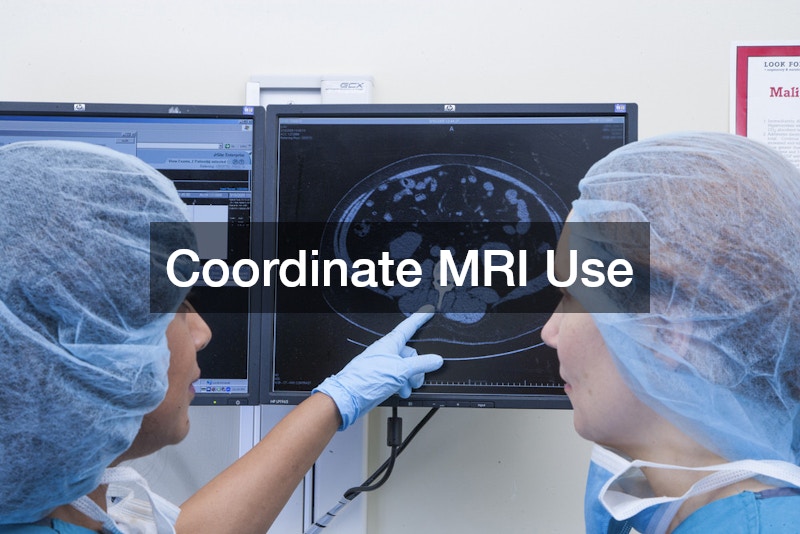
Teamwork is vital in imaging departments to maximize efficiency and patient safety. The use of complex equipment such as an MRI scanner requires careful coordination between technologists, radiologists, and support staff. Clear communication ensures proper scheduling, preparation, and patient positioning, which reduces delays and enhances the quality of imaging results.
When operating an upright MRI scanner, multiple staff members must work in harmony to ensure both patient comfort and diagnostic accuracy. Radiology technologists guide patients through positioning, while nurses monitor for safety concerns such as claustrophobia or medical implants. Radiologists interpret images and provide feedback for future scans, and administrative staff coordinate appointments. Without this seamless teamwork, imaging could be delayed, patient experience could suffer, and diagnostic errors could increase.
Maintain Eye Tools
Maintaining surgical equipment is a shared responsibility that directly affects patient safety and surgical outcomes. Proper teamwork ensures that instruments are inspected, sterilized, and maintained according to strict standards. Communication between surgical staff, technicians, and administrators prevents errors and ensures equipment is always ready for use. Regular training and updates on new surgical tools also help staff stay current with best practices. A culture of accountability encourages team members to report minor issues before they become major problems. Additionally, careful documentation of maintenance activities supports compliance with regulatory and accreditation requirements.
In ophthalmology clinics, eye surgery equipment maintenance requires a coordinated effort. Surgical technicians check the condition of microscopes, lasers, and micro-instruments, while surgeons report any issues observed during procedures. Administrative staff track maintenance schedules and coordinate servicing. By working together, teams reduce the risk of surgical complications caused by faulty or poorly maintained instruments, ensuring patients receive safe and precise care. Routine audits and performance checks further guarantee that equipment functions at peak efficiency, reinforcing both safety and surgical outcomes.
Support Hormone Therapy

Teamwork plays a critical role in hormone therapy management. Successful treatment requires ongoing monitoring, patient education, and coordination between physicians, nurses, and pharmacists. Collaborative care ensures dosage adjustments are made safely, and side effects are promptly addressed.
For patients undergoing testosterone replacement, a team approach is essential. Physicians develop treatment plans, nurses monitor progress and educate patients on administration, and pharmacists ensure prescriptions are accurate and properly dispensed. Coordination allows for timely blood tests, documentation of symptoms, and adjustment of treatment as necessary. This collaboration ensures patients achieve therapeutic goals while minimizing risks.
Collaborate on Hearing
Hearing care depends heavily on interdisciplinary collaboration. Teamwork between audiologists, primary care providers, and support staff ensures comprehensive hearing assessments and treatment planning. Clear communication promotes accurate diagnoses and improved patient outcomes. Regular case discussions and shared care plans help identify potential issues early and tailor interventions to each patient’s needs. Collaboration also fosters patient education, ensuring individuals understand their hearing options and follow-up care requirements. Moreover, a strong team approach supports ongoing monitoring, allowing adjustments to treatment as a patient’s hearing needs change over time.
An audiologist working with a patient may collaborate with ENT specialists, speech therapists, and educational staff to address hearing loss effectively. For example, when fitting hearing aids, audiologists rely on input from technicians for device calibration, while nurses monitor patient adaptation. This cooperative approach ensures patients receive holistic care that addresses both medical and practical aspects of hearing health. By maintaining open lines of communication among all team members, potential complications are minimized, and patient satisfaction is significantly improved.
Streamline Transcription

Accurate medical records rely on seamless teamwork. Healthcare professionals, transcriptionists, and administrative staff must coordinate to ensure patient documentation is timely, complete, and precise. Strong collaboration reduces errors and supports high-quality care.
Healthcare transcription services require close cooperation between doctors dictating patient notes and transcriptionists preparing records. Nurses and administrative staff may provide clarifications or updates, while quality assurance teams check for consistency. This coordinated effort guarantees that patient records reflect true clinical events, supporting treatment decisions, insurance claims, and legal compliance.
Assist Vascular Surgery
Surgical success is inherently linked to teamwork. A vascular surgeon depends on nurses, anesthesiologists, surgical technicians, and support staff to ensure procedures are performed safely and efficiently. Collaboration reduces complications and optimizes patient recovery. Regular team briefings and checklists help ensure that every member understands their role and the specific needs of each patient. Open communication during surgery allows the team to respond quickly to unexpected challenges, minimizing risk. Additionally, coordinated postoperative care ensures that patients receive consistent monitoring, timely interventions, and clear guidance for recovery at home.
In operations led by a vascular surgeon, teamwork ensures preoperative planning, intraoperative coordination, and postoperative care are seamless. Surgeons rely on anesthesiologists to monitor patient vitals, nurses to manage instruments, and recovery staff to provide follow-up care. This collective effort allows complex procedures like bypass surgeries or aneurysm repairs to be completed safely and with optimal outcomes. By fostering a culture of trust and accountability, surgical teams enhance efficiency, reduce stress in high-pressure situations, and ultimately improve overall patient satisfaction and health outcomes.
Improve MA Program
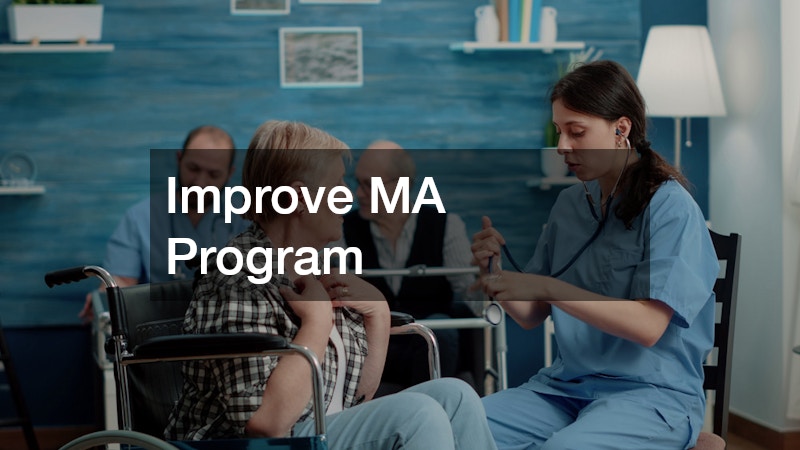
Teamwork is also essential in health care education. Students in programs like medical assistant training benefit from collaborative learning, peer feedback, and instructor guidance. Effective teamwork prepares graduates for real-world clinical environments. By working together, students learn to navigate different perspectives, handle challenges, and develop problem-solving skills critical for patient care. Collaboration also helps students build confidence in clinical decision-making, ensuring they can act efficiently in fast-paced environments. Additionally, teamwork fosters professional networking and mentorship opportunities, which support long-term career growth in health care.
An online medical assistant program encourages students to participate in discussion boards, group assignments, and simulation exercises. Instructors facilitate interaction, providing guidance and real-world context. By collaborating in these online settings, students develop communication skills, clinical judgment, and the ability to work effectively as part of a health care team. Engaging in these collaborative exercises also helps students adapt to the evolving dynamics of health care teams, preparing them to contribute meaningfully in any clinical setting.
Ensure Drug Testing
Drug testing services rely on teamwork to ensure accuracy, compliance, and timely results. Coordination between collection staff, laboratory technicians, and administrative personnel is critical to maintain the integrity of testing procedures. Regular training and clear protocols help staff stay updated on best practices, ensuring that every step of the testing process meets regulatory standards. Open communication allows teams to quickly address any discrepancies or issues, minimizing the risk of errors. Additionally, collaborative efforts foster accountability and consistency, which strengthens the credibility of the testing service with clients and patients.
For example, a drug testing service requires collection staff to properly handle samples, lab technicians to process tests according to regulatory standards, and administrators to track and report results. Each team member’s contribution ensures reliable results while protecting patient privacy and legal compliance. Teamwork reduces errors and reinforces trust in testing outcomes. By maintaining coordinated oversight and continuous quality checks, the service can provide accurate results efficiently, supporting both workplace safety and patient care objectives.
Optimize Foot Care
A podiatrist office functions best when staff work as a cohesive unit. Team collaboration ensures patient flow is smooth, treatments are applied correctly, and follow-up care is properly coordinated. Teamwork improves efficiency and enhances patient satisfaction.
In a podiatrist office, receptionists schedule appointments, medical assistants prepare patients, and podiatrists provide diagnoses and treatment. Coordination between these roles ensures timely care, accurate recordkeeping, and patient education on foot health. By working together, the office maintains high standards of care and ensures patients receive consistent, effective treatment.
Teamwork is the backbone of effective health care, impacting every facet of patient care, from diagnosis to treatment, surgery, therapy, and administration. Across specialties and services, collaboration ensures that expertise is shared, communication is clear, and patient outcomes are optimized. Health care professionals, whether in clinical, surgical, diagnostic, or administrative roles, rely on teamwork to perform their duties efficiently and safely.
In mental health and behavioral care, an accurate ADHD diagnosis is only possible when psychologists, physicians, and educators communicate effectively, combining their insights to create comprehensive treatment plans. Radiology relies on coordinated efforts when operating an upright MRI scanner, ensuring patient safety and precise imaging results. Surgical teams maintain equipment meticulously through eye surgery equipment maintenance, while therapy programs like testosterone replacement depend on communication between providers, nurses, and pharmacists to monitor progress and adjust care.
Hearing specialists, including audiologists, rely on teamwork to combine diagnostic assessments with treatment planning, and healthcare transcription services depend on collaboration to create accurate patient records. Surgical procedures led by a vascular surgeon highlight the importance of intraoperative teamwork, and educational settings, such as an online medical assistant program, emphasize collaborative learning to prepare students for real-world clinical practice. Reliable drug testing services and well-managed podiatrist offices further illustrate that effective health care depends on a network of coordinated efforts across multiple roles.
Ultimately, teamwork in health care is not a supplemental skill but a core requirement. From patient assessments and equipment management to therapy administration and professional training, every action is more effective when professionals work together. By fostering communication, collaboration, and mutual respect, health care teams provide safer, more efficient, and patient-centered care. The future of health care depends on this foundation, where teamwork is recognized as the key driver of improved outcomes, higher patient satisfaction, and a stronger, more resilient health care system.