
Disclaimer: Quick Jobs. This site provides business content for informational purposes only.
The lifecycle of a major commercial build or renovation is a masterclass in logistics. For the modern facility manager, the complexity of a project often feels like a puzzle where the pieces are constantly changing shape. Success is not found in the finishing touches, but in the ground beneath the structure. When a project begins, the primary objective is to create a seamless transition between the raw land and the essential utilities that will power the business for decades to come. This requires a bird’s-eye view of the entire timeline, identifying potential bottlenecks before they manifest as costly delays on the job site.
Setting the Foundation for Success
Every successful commercial project begins with a clear understanding of the site’s topography and hidden challenges. Before a single steel beam is raised, the facility manager must coordinate with a professional excavation contractor to ensure the site is stable and graded correctly. This phase is about more than just moving dirt; it involves a deep analysis of soil density, moisture content, and the eventual load-bearing requirements of the structure. A seasoned manager knows that soil reports are the first line of defense against structural failure.
When a project starts on the right foot, the subsequent phases flow much more naturally. The role of the earth-mover is to create a “clean slate” where architects and engineers can realize their vision without fear of shifting foundations or poor drainage. A failure to prioritize this early stage can lead to astronomical costs later in the process, as remedial foundation work is significantly more expensive than doing it right the first time. The contractor must also account for local environmental regulations and runoff patterns that could impact the surrounding community.
The Strategic Role of Site Clearing
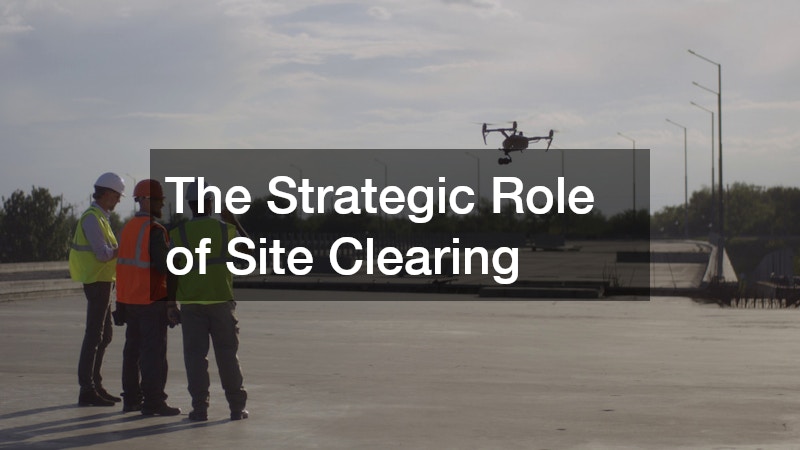
Before the heavy machinery arrives for the foundation, the site often requires significant preparation. In many urban environments, this involves the removal of existing structures that are no longer viable or safe. This is where high-quality demolition services become indispensable. Removing an old warehouse or office block is a surgical process that requires careful planning to avoid damaging neighboring properties or underground infrastructure. It is a loud, dusty, and potentially dangerous phase that demands a high level of expertise and strict adherence to safety protocols.
Safety is the paramount concern during this phase. A controlled approach ensures that debris is managed efficiently and that the site is cleared to the exact specifications required for new development. Once the old structure is out of the way, the focus shifts back to the earth itself, ensuring that any buried obstacles, such as old footings or abandoned septic tanks, are removed before the next phase of construction begins. This meticulous clearing process sets the stage for a clean build, free from the ghosts of previous occupants.
Integrating Underground Utilities
Once the site is cleared and the initial grading is complete, the focus turns to the vital “arteries” of the building. This is perhaps the most critical moment for a facility manager to demonstrate their coordination skills. The timing must be perfect; the trenches must be dug, the pipes must be laid, and the wiring conduits must be secured before the foundation is poured. This subterranean network is the silent engine of the building, and its installation requires a level of precision that cannot be overstated.
Coordinating with commercial plumbing companies at this stage is non-negotiable. These experts ensure that the water supply, sewage lines, and storm drainage systems are positioned with mathematical precision. If a pipe is off by even a few inches, it can throw off the entire interior layout of the building or lead to code violations that halt production. Simultaneously, the manager must ensure that the excavation team is providing the necessary depth and clearance for these systems to function under the weight of the future building and its occupants.
Powering the Modern Enterprise
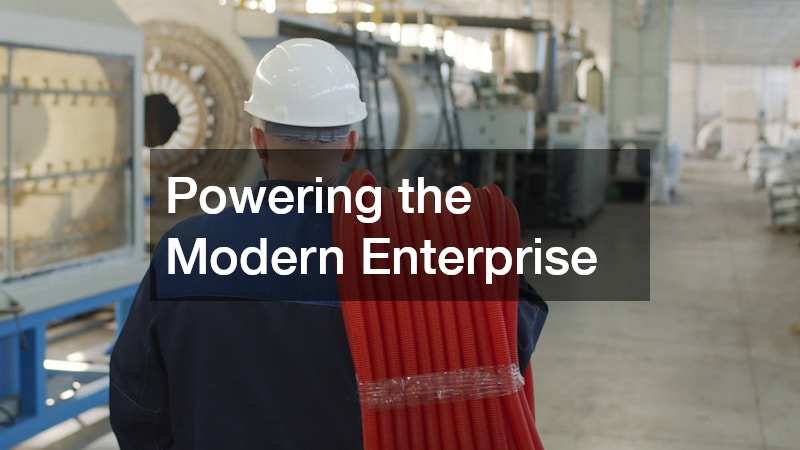
While the plumbing takes shape, the electrical infrastructure must also be integrated into the site plan. A commercial electrician should be on-site to oversee the installation of primary power feeds and communication lines. In an era where data and high-capacity power are the lifeblood of business, getting the underground electrical work right is a major priority. This includes the placement of transformers, the routing of fiber optic cables, and the installation of backup power systems that keep a company operational during an outage.
The goal is to create an infrastructure that is both robust and accessible for future maintenance. By syncing the electrical team with the earth-movers, the facility manager ensures that high-voltage lines are buried at the correct depths and protected by the proper conduit materials. This proactive approach prevents the need for costly “re-digs” once the surface work has begun. It also allows for easier expansion in the future, as the initial installation can include “dead-end” conduits that make adding new capacity a simple task rather than a major construction project.
Preparing for Structural Integrity
As the underground work nears completion, the attention shifts to the surface. However, the site still requires specialized treatments to ensure that the materials used in the build will last. For industrial sites, this often means addressing the condition of existing metal or concrete components that will be integrated into the new design. This is especially true in renovation projects where the skeleton of an old building is being repurposed for a modern tenant.
Professional industrial sandblasting is frequently used at this stage to prep surfaces for specialized coatings or to clean structural steel that has been exposed to the elements. This process removes rust, old paint, and contaminants, creating a profile that allows new protective layers to bond effectively. It is a detail that many overlook, but for a facility manager focused on long-term durability, it is a vital step in the ground-up process. Without this preparation, even the best industrial coatings will eventually peel or fail, leading to premature corrosion.
Navigating the Transition to Above-Ground Work
Once the utilities are buried and the foundation is set, the project moves into a more visible phase. This is the transition from “site work” to “vertical construction.” However, the facility manager’s job remains grounded in the coordination of diverse trades. The relationship between the shell of the building and the surrounding environment begins to take shape, requiring a constant dialogue between the general contractor and the specialized site crews.
During this transition, the manager often oversees the removal of temporary structures or the final clearing of the building footprint. This is often categorized under commercial demolition if smaller outbuildings or temporary concrete pads need to be removed to make way for the final landscaping and parking areas. Keeping the site clean and organized during this phase is essential for maintaining safety and momentum. It also helps in identifying any potential issues with the initial site work before they are covered up by floors and walls.
Protecting the Asset from the Top Down

As the building rises, the focus on the ground must be balanced with a focus on the roof. While it may seem disconnected from excavation, the drainage systems designed at the start of the project are directly impacted by the building’s runoff. A high-quality commercial roofing system must be designed to work in harmony with the site’s stormwater management plan. This is a holistic approach to building health; if the roof sheds water onto a poorly graded area, the foundation will eventually suffer.
Modern roofs do more than just keep the rain out; they often house complex HVAC systems and renewable energy components like solar arrays. Ensuring that the roofers understand the overall site drainage ensures that water is moved away from the foundation efficiently, protecting the integrity of the work performed by the excavation teams months earlier. Furthermore, a well-insulated and properly ventilated roof reduces the load on the building’s internal systems, leading to lower operating costs and a smaller environmental footprint over the building’s lifespan.
Enhancing the Professional Environment
As the heavy construction winds down, the focus shifts to the aesthetic and functional aspects of the exterior. The first impression a business makes is often determined by its surrounding environment. This is why commercial landscaping is so much more than just planting trees and laying sod. It is about creating a functional outdoor space that manages irrigation, provides shade, and enhances the brand’s image. It involves selecting the right species that can thrive in the local climate without excessive water use.
Proper landscaping also plays a functional role in erosion control. The plants and grading work together to ensure that the soil remains stable, protecting the underground utilities and the foundation. A well-designed landscape plan reflects the professionalism of the business inside and provides a welcoming atmosphere for employees and clients alike. It can also help with local zoning approvals, as many municipalities have strict requirements for green space and tree canopy coverage on commercial lots.
Finishing the Surface for Longevity

The final piece of the exterior puzzle is the parking and transit areas. The durability of these surfaces depends entirely on the quality of the sub-base prepared by the excavation contractor at the beginning of the project. If the ground was not compacted correctly or if the drainage was poorly planned, the asphalt or concrete would quickly succumb to cracking, potholes, and standing water. This final layer is the most visible sign of a job well done.
Expert commercial paving provides the finishing touch that ties the entire site together. Whether it is a sprawling parking lot for a retail center or heavy-duty loading docks for a distribution hub, the paving must be applied with precision. The facility manager must ensure that the transition between the paved areas and the landscaped zones is seamless, providing both beauty and utility. Proper striping, signage, and lighting also happen during this phase, ensuring that the site is safe and navigable for the public from the moment the doors open.
Maintaining the Momentum of Large-Scale Projects
Managing a project of this scale requires a constant look at the big picture while never losing sight of the technical details. Every trade, from the person driving the bulldozer to the technician wiring the server room, plays a role in the facility’s ultimate success. The key is to view these services not as isolated events, but as a continuous chain of events where the output of one team becomes the input for the next. This requires open lines of communication and a willingness to solve problems collaboratively.
Comprehensive excavation services are the link that holds this chain together. By providing a stable platform for plumbers, electricians, and pavers, the excavation team allows every other professional to perform their job at the highest possible level. When the facility manager treats these relationships as a partnership, the result is a building that stands the test of time and operates efficiently. It also creates a safer work environment, as everyone understands how their specific task fits into the larger safety plan for the site.
Final Thoughts for the Proactive Manager
The “ground-up” approach is more than a construction method; it is a philosophy of management. By prioritizing the synchronization of site work and utility installation, facility managers can avoid the most common pitfalls of commercial development, such as missed deadlines and budget overruns. It requires a balance of technical knowledge and interpersonal skill to keep so many different teams moving in the same direction, especially when unexpected challenges arise.
Whether the project involves complex commercial demolition to make room for new growth or the delicate installation of high-tech electrical systems, the principles remain the same. Start with the ground, plan for the utilities, and never underestimate the importance of a solid foundation. In the world of commercial facilities, what happens beneath the surface is just as important as what happens above it. This attention to detail is what separates a standard building from a world-class facility that adds value to the company it serves.
This checklist serves as a roadmap for those tasked with the immense responsibility of building the future. By following these steps and partnering with the right professionals, you can ensure that your facility is not only built to last but is also a source of pride for the organization it houses. The coordination of these diverse services is the hallmark of a truly expert facility manager who understands that every detail matters. From the first scoop of dirt to the final coat of paint, every step is an investment in the long-term viability of the asset.