Disclaimer: Quick Jobs. This site provides business content for informational purposes only.
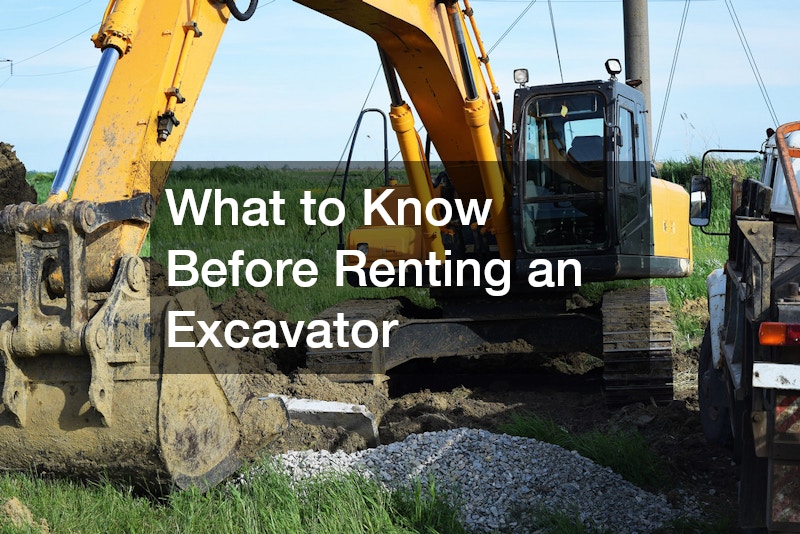
Renting an excavator can be a smart and cost-effective move for both professional contractors and DIY homeowners tackling large projects. These machines can perform a wide range of tasks—from digging foundations to trenching and clearing land. However, there are several important things to consider before you move forward with a heavy equipment rental. Understanding your project’s scope, the type of excavator you need, and how to operate it safely are just the beginning.
Making the right choices can save you time, money, and unnecessary frustration throughout the rental process.
Assessing Your Project Requirements
Before you even start browsing excavator options, take the time to thoroughly assess your project. The type, duration, and complexity of your job will determine the size and features of the excavator you need. For example, a mini excavator might be perfect for small residential projects with limited access space, while a standard or large excavator is better suited for commercial work like road construction or deep trenching.
Consider the soil conditions, the depth of the digging required, and whether you’ll need attachments such as hydraulic breakers, grapples, or augers. Overestimating your needs can lead to renting a more expensive machine than necessary, while underestimating can slow your project and increase labor costs.
Choosing the Right Type of Excavator
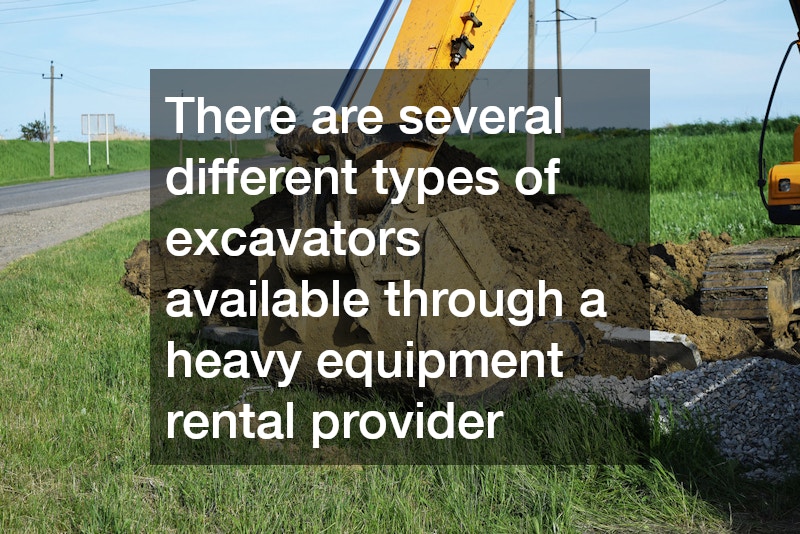
There are several different types of excavators available through a heavy equipment rental provider. Each is designed for specific tasks and conditions. Standard tracked excavators are versatile and great for digging and lifting. Wheeled excavators are more mobile and better for paved surfaces. Long-reach excavators are ideal for demolition or projects where extra reach is required. Compact or mini excavators are great for tight job sites or lighter excavation work.
Understanding the pros and cons of each type—and how they apply to your job—ensures you rent the right equipment. Ask your rental provider for advice based on your project details. They can guide you to the most suitable machine for the job.
Understanding Rental Terms and Costs
One of the most overlooked aspects of heavy equipment rental is the fine print. Rental rates are typically based on daily, weekly, or monthly terms, and they often include hourly limits. Going over the allowed usage can result in extra charges. It’s also important to ask about delivery and pickup fees, fuel policies, damage waivers, and insurance requirements.
Make sure to get a clear quote and understand the billing structure. Ask about what happens if the equipment breaks down or needs maintenance. Some rental companies provide on-site support or a replacement unit, while others may expect you to cover downtime.
Ensuring Site Readiness
Before the excavator arrives, your job site needs to be prepared. This includes clearing debris, checking for underground utilities, and ensuring stable ground conditions. Many delays and hazards stem from a lack of site readiness.
Depending on your local laws, you may be required to call a utility marking service before you dig. This step is critical not only for safety but also to avoid major legal and repair costs. In some areas, failing to check for utility lines before operating heavy equipment can result in fines or penalties.
Reviewing Safety and Operating Guidelines
Even if you’re renting through a heavy equipment rental company that provides safety information, it’s your responsibility to ensure the excavator is operated correctly. Untrained operators can put themselves, others, and the project at risk.
If you’re not an experienced operator, consider hiring one through the rental company or undergoing basic training. Never assume that operating an excavator is intuitive—it’s not. There are specific safety protocols for starting, moving, lifting, and parking the machine. Also, make sure you wear appropriate protective gear such as a hard hat, steel-toe boots, gloves, and high-visibility clothing.
Accounting for Transport and Access
Getting the excavator to and from the job site is a key logistical challenge. Larger machines require flatbed trucks and sometimes even permits for transport, depending on the route and local regulations. Make sure your rental provider handles or assists with transportation and confirm delivery and pickup times in advance.
Once on-site, access points must be wide and stable enough to accommodate the equipment. Obstacles like fences, low-hanging branches, or narrow driveways can prevent delivery or delay the project. Planning ahead helps avoid wasted time and additional rental days.
Inspecting the Equipment Before Use
Before you accept delivery of any rented equipment, conduct a full inspection. Check for visible signs of damage, fluid leaks, worn tracks, or malfunctioning components. Document any pre-existing damage with photos and report them to the rental company immediately.
Most reputable heavy equipment rental providers will perform their own pre-delivery inspections, but it’s in your best interest to double-check. Make sure the controls, lights, and safety features are working properly before beginning any work. This protects you from being held responsible for issues that weren’t your fault.
Considering Environmental and Legal Factors
Depending on where you’re working, you may need permits or approval from local authorities to operate heavy machinery. Some residential areas have noise ordinances or working hour restrictions. Environmental concerns, such as stormwater runoff or working near wetlands, can also limit excavation activities.
Ask your rental provider if they have experience with local regulations and can provide any guidance. Being proactive about legal and environmental compliance protects you from costly fines and delays.
Renting an excavator is an excellent solution for short-term or specialized projects, but it’s not as simple as picking a machine and getting to work. The more planning and research you do beforehand, the smoother your project will go. From assessing your job site and choosing the right model to understanding costs, safety protocols, and legal requirements, each step plays a role in your project’s success.
When you’re ready to move forward, partner with a trusted heavy equipment rental provider that can walk you through the process and offer expert support. A good rental experience not only helps your current project run smoothly but also builds a reliable relationship for future jobs.